
How Winter Weather Affects Radon Levels in the Chicagoland Suburbs
As temperatures drop across the Chicagoland suburbs, homeowners begin preparing for freezing temperatures, snow, and higher heating bills. But there is another important part of winter home maintenance that often gets overlooked: radon gas.
Radon is a naturally occurring, radioactive gas that can enter your home through cracks and openings in the foundation. Because winter weather changes how homes are heated, ventilated, and sealed, radon levels can increase during the colder months.
With winter approaching, now is a great time for Aurora & Plainfield homeowners to understand how seasonal weather can affect indoor radon levels and what they can do to protect their homes and families.
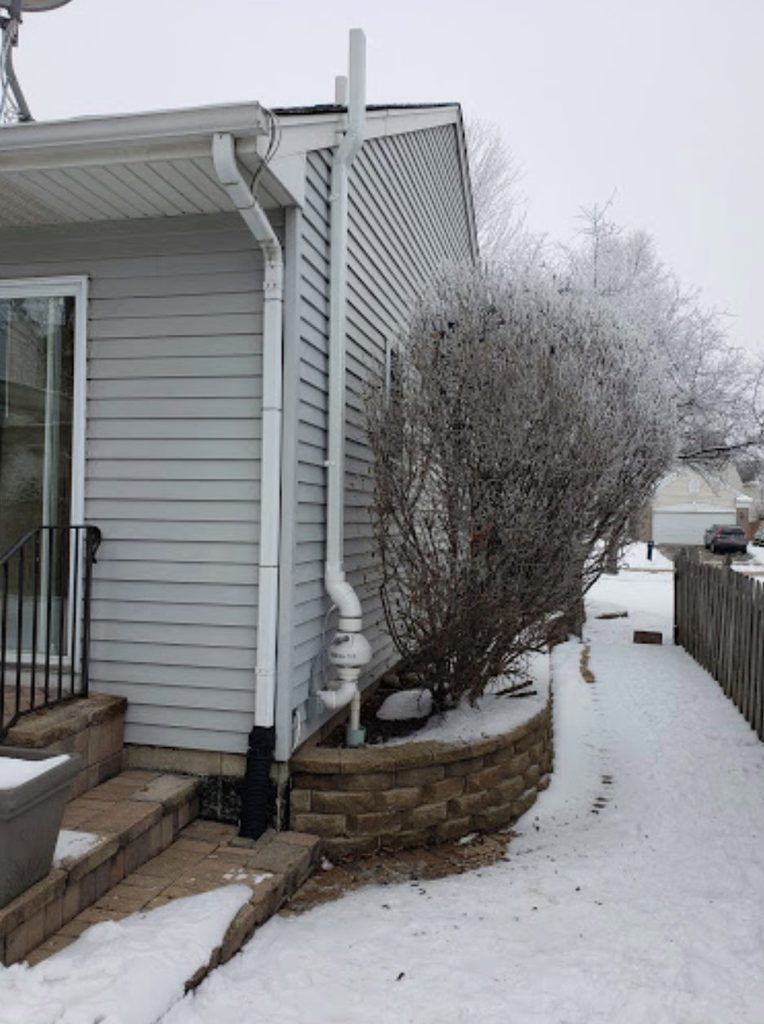
How Does Winter Weather Affect Radon Levels?
Radon can be present in any home, regardless of its age, size, or location. However, certain winter conditions can contribute to higher indoor radon concentrations. There are three ways winter weather can affect radon levels in your home.
Cold Temperatures Can Increase the Stack Effect
One of the biggest factors affecting indoor radon levels during winter is the stack effect.
During colder weather, the air inside your heated home is warmer than the air outside. Warm air naturally rises and escapes through openings in the upper portions of the house. As this air escapes, it can create lower air pressure in the lower levels of your home, including the basement.
That pressure difference can draw radon-containing soil gas through foundation cracks, sump pits, floor joints, and other openings.
The colder the outdoor air gets relative to the indoor temperature, the stronger this effect can become. As a result, some homes experience higher radon levels during cold weather.
Closed Windows and Doors Reduce Ventilation
When temperatures drop, most homeowners keep their windows and doors closed to stay warm and conserve energy.
While this helps maintain comfortable indoor temperatures, it also reduces natural air exchange. Without as much fresh outdoor air entering the home, radon can accumulate indoors instead of being diluted and carried away.
This is one reason radon levels may be higher during winter than during warmer months, when homeowners are more likely to open windows and doors.
Snow, Frozen Ground, and Changing Weather Conditions
Snowfall, frozen ground, and changing soil conditions can also influence how soil gas moves around and beneath a home. Depending on the property’s foundation, soil, drainage, and other conditions, these changes may affect how radon enters the building.
However, snow and frozen ground do not automatically mean radon levels will rise in every home. Each property responds differently to weather conditions, and indoor radon levels can fluctuate throughout the year.
Ultimately, winter weather can create conditions that contribute to elevated indoor radon levels, but the only way to know your home’s radon concentration is to test it.
What Is the Forecast for Illinois’ Winter?
According to the National Oceanic and Atmospheric Administration’s (NOAA) winter outlook released October 15, 2026, warmer-than-average temperatures are favored across the Midwest, including the broader Great Lakes region, for December 2026 through February 2027. The outlook also indicates increased chances of below-average precipitation in parts of the Great Lakes region. These are seasonal probabilities, not guarantees of what Chicago will experience on any particular day.
Even if the region experiences a milder-than-average winter, homeowners should not assume their indoor radon levels will remain low.
A warmer seasonal outlook does not rule out individual periods of bitter cold, strong winds, or significant snowfall. Those shorter-term weather events can still affect indoor air movement and the pressure differences that influence radon entry.
For homeowners in Naperville, Oswego, IL, and nearby communities, the important takeaway is that radon testing should not depend on whether the winter is expected to be especially cold or snowy. Seasonal forecasts cannot predict the radon concentration inside an individual home.
Why Winter Is a Good Time to Test Your Home for Radon
Radon is colorless and odorless, so you cannot see or smell it. Testing is the only way to determine whether elevated levels are present in your home.
The Illinois Department of Public Health recommends keeping indoor radon levels below 4.0 pico-curies per liter (pCi/L). If your test results are at or above 4.0 pCi/L, radon mitigation should be considered.
Winter is a practical time to test because homes are typically kept closed up, and heating systems are running regularly. Testing during this season can help identify radon concerns under the conditions your household experiences during colder months.
Keep these tips in mind:
- Test your home: If you have never tested for radon, schedule a test or use an appropriate radon test kit.
- Follow testing instructions: Proper placement, test duration, and closed-house conditions matter for reliable results.
- Retest when appropriate: Radon levels can change over time due to weather, soil conditions, and home renovations. Follow testing guidance if you have previously received elevated results or made significant changes to your home.
- Address elevated results: If testing identifies high radon levels, contact a qualified radon mitigation professional, like Guardian Radon, to discuss your options.
Can Opening Your Windows Lower Radon Levels?
Opening windows may temporarily dilute indoor radon concentrations by increasing ventilation. However, this is not a reliable long-term solution, especially during a Chicago winter.
Keeping windows open in freezing temperatures is impractical, and radon levels can rise again when the home is closed up. Changes in ventilation alone also do not address the pathways through which radon enters the house.
If your home has elevated radon levels, a properly designed and installed radon mitigation system is a more dependable way to reduce the concentration.
Protect Your Home This Winter with Guardian Radon
As you prepare your home for winter, don’t forget the air your family breathes every day. Radon exposure is a year-round concern, and colder weather can create conditions that allow indoor levels to increase.
At Guardian Radon, we help homeowners reduce elevated radon levels with customized mitigation solutions designed for homes in Plainfield & Aurora, IL. Whether you have recently tested your home or have concerns about an existing radon system, we can help you understand your options.
Our Guardian Radon team is ready to answer your call and keep the air you breathe clean. Don’t wait for winter weather to remind you about your indoor air quality. Call Guardian Radon at (630) 768-9836 to get started before winter’s here.
Back To Blog