
The Gas You Can’t See, Smell, or Ignore – Radon
Summer brings open windows, renovation projects, and basement hangouts – all of which can quietly change your home’s radon levels. Whether your home is new or old, draughty or well-sealed, radon can be present in any home, as it seeps through foundation cracks, gaps in flooring, and construction joints.
As you’re enjoying long summer days with everyone, six factors affect radon levels, you might not even realize.
Air Conditioning Seals Homes
We get it, it’s hot, and you want your air conditioner running, but that also means your windows and doors stay shut for hours. With the house closed up and your AC running, the natural ventilation, opening the windows and keeping the doors open, is reduced, therefore allowing radon to concentrate indoors more rapidly than in well-aired spaces.
Negative Pressure Effect
We love central air just as much as anyone else, but running your air conditioning system can create negative air pressure indoors, drawing soil gases, including radon, up through foundation cracks and into living areas.
Basement Living Spikes
When it gets too hot to be outside, the coolest place in the house to hang out is the basement, especially if it’s a finished basement. Radon concentrations are consistently highest at the lowest levels of a home, so even if your basement is finished, radon gas could still be sneaking in.
Home Renovation Season
With long summer days come home projects. You may be thinking about your next project, but it’s important to think about the areas where trapped radon can be released, especially if you’re drilling into foundations, disturbing soil, and opening up crawl spaces.
Dry Soil Releases More
Radon gas travels more through soil, finding its way into homes and other buildings. As summer goes on and the weather becomes increasingly hotter and drier, the soil gives way for radon gas to travel more freely, whereas when the soil is wet, it acts as a natural barrier.
Inconsistent Ventilation
As it gets cooler at night, you might want to open your windows to enjoy the night air, but sealing your home up during the day and turning the central air system back on only causes irregular air patterns. Inconsistent ventilation makes radon levels harder to predict and short-term test results less reliable.
What You Should & Shouldn’t Do This Summer to Reduce Radon Risk
This summer, you can take these practical steps to reduce radon risk and avoid common mistakes.
Take These Practical Steps
Test your home this summer
To know if you have any radon exposure, purchase a certified long-term radon test kit for accurate seasonal readings and place it in the lowest livable area of your home.
Ventilate basements and crawl spaces
Even during hot weather, open your basement windows periodically.
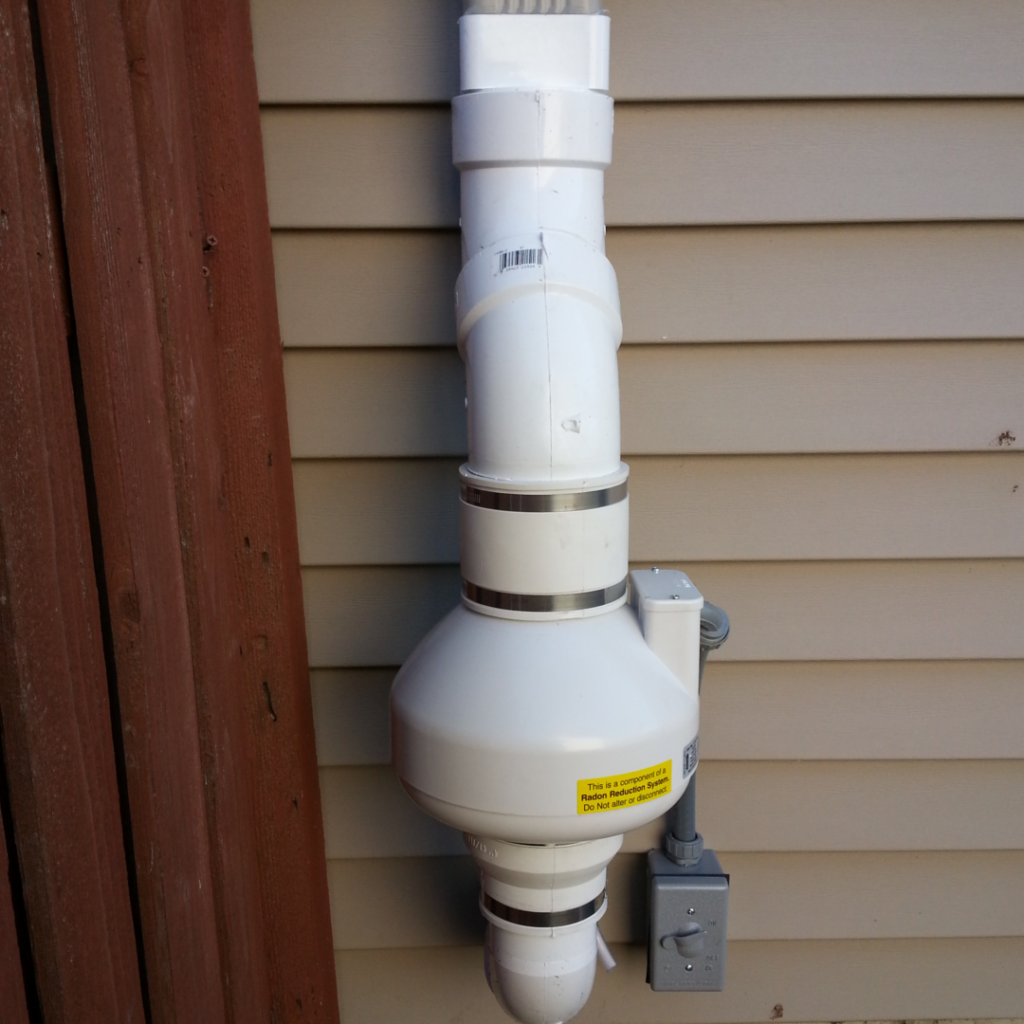
Install a radon mitigation system
If levels exceed 4.0pCi/L, a sub-slab depressurization system installed by a certified radon mitigation contractor, like Guardian Radon, is the most effective long-term fix.
Re-test after renovations
After any significant building work, especially if it’s on the ground level of your home, it may alter radon pathways. It’s always important to retest within a few months of completion.
Check before buying a home
If you’re buying a home this summer, request a radon test before you the deal goes through. It’s important to know what you’re walking into.
Don’t Do This
Don’t skip testing because you’re not in a “high-risk” zone
Radon levels vary by house. Your neighbor’s home could test clean while your home has elevated radon levels. There’s simply no way to know without testing your home.
Don’t run short-term tests during renovation or stormy weather
If you want to test your home to be sure radon isn’t present, wait until all renovations or inclement weather have passed. Your results will be skewed. It’s best to wait at least 48 hours in normal living conditions and closed windows.
Don’t let children sleep or play in untested basements
No doubt about it, it’s cooler in the basement in the summer, but kids spend more time at floor level and breathe more air relative to body weight; they’re more vulnerable to radon exposure, so it’s important not to let them sleep or play in untested basements.
Don’t assume open windows fix the problem
While ventilation helps, it doesn’t eliminate radon. Outdoor air can temporarily dilute levels, but it won’t address the source like a radon mitigation system will.
Don’t DIY mitigation without knowledge
Incorrectly installed systems can only make radon problems worse. It’s important to always use a state-certified and licensed radon mitigation team, like Guardian Radon, to install a mitigation system.
Don’t ignore a result between 2.0-4.0 pCi/L
While results below 4.0 pCi/L are below the EPA action threshold, any level still carries risk. Consider radon mitigation and monitor regularly, especially in frequently occupied rooms.
Test First. Act Fast. Breathe Easy.
The EPA recommends that all homes below the third floor be tested for radon. If your test result comes back over 4.0 pCi/L, it’s time to call Guardian Radon Mitigation for a radon mitigation system.
We’ve been keeping homes in the western Chicagoland suburbs, including Oswego, Aurora, Plainfield, and Naperville, safe from the dangers of radon gas for over 18 years. We’re the team to trust when it comes to radon mitigation. Call (630) 768-9836 to schedule your mitigation installation today or contact us here.
Back To Blog