
Can Radon Systems Freeze in Winter? Yes—It’s Normal.
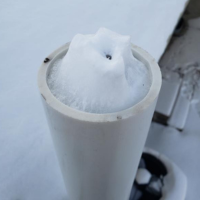
Did you know it’s a natural occurrence for radon mitigation systems to temporarily “freeze up” during extreme winter weather? It’s true! While radon systems are designed for exterior installation, rapid temperature drops and severe wind chills can occasionally affect their performance.
Here in the Chicagoland area, this may happen 2–3 weeks per year, typically during the coldest stretches of winter.
Why Does This Happen?
To understand freezing, it helps to know how a radon system works. A radon mitigation system—legally called a sub-slab depressurization system—pulls air from beneath your home’s foundation and vents it safely outside.
Because soil contains moisture, radon systems remove moisture as well. On average, a system can extract 5–6 gallons of water per day from the soil, though this varies by home.
During very cold weather, you may notice vapor exiting the top of the vent stack—similar to seeing your breath on a frigid day. As this warm, moisture-laden air travels upward, it passes through a long vertical run of pipe. In a typical two-story home with a basement, that run can be 30 feet or more, crossing multiple temperature zones.
When warm, moist air meets extremely cold pipe surfaces, condensation can form and freeze inside the exhaust pipe.
When Does Freezing Occur?
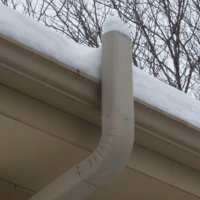
Freezing typically happens when:
- Outdoor temperatures fall below 20°F
- Wind chills intensify the cold
Ice buildup can temporarily restrict airflow. When this happens, the U-tube manometer may read zero, even though you can still hear the fan running.
What Should You Do?
✔ Leave the fan ON.
The fan motor produces a small amount of heat that helps melt ice. Turning it off can actually make freezing worse.
✔ Be patient.
As temperatures rise and the sun comes out, the ice will naturally melt, and the system will return to normal operation.
X Do NOT attempt to de-ice the system yourself.
This can cause permanent damage.
The good news? You do not need to wait until spring—normal temperature fluctuations are usually enough to resolve the issue.
Is This Dangerous?
Radon risk is based on long-term (annualized) exposure, not short-term interruptions. While a frozen system can be inconvenient, it does not negate the value or effectiveness of having radon mitigation.
Is it a nuisance? Yes.
Is it still worth having a radon system? Absolutely—I wouldn’t live in a home without one.
We’re Here to Help
Have questions about radon or your mitigation system? Give our office a call.
Guardian has been protecting homes from radon gas for over 18 years. Let our Guardian family help protect yours.
Back To Blog